Pain is both a signs and symptom and a problem. It misshapes function, disrupts rest, and threatens trust in the treatment system when it is inadequately addressed. Training that concentrates on discomfort is not a luxury optional, it is a practical bridge in between theory and the unpleasant pain management certification reality of facilities, wards, emergency situation bays, and rehab health clubs. If you are thinking about a pain monitoring certificate course, the difference in between a program that alters your day-to-day practice and one that gathers dirt is discovered in the details: curriculum depth, advisor top quality, assessment design, and just how the credential maps to your scope of practice.
This guide walks through the composition of solid discomfort management training, what typical programs price, how the credential moves the needle on wage and duty development, and how to select a training course that fits your clinical setup. I will reference typical frameworks such as PUAEme008 Give pain monitoring from the Australian employment community, as well as the requirements of nurses, physiotherapists, paramedics, and allied health specialists that deliver pain alleviation at the factor of care.

Where a certificate fits in the discomfort education landscape
Most medical professionals find out the pharmacology of anesthetics and items of the biopsychosocial design throughout entrance training, then grab the rest on the task. The outcome is unequal competence. A certification course hurting monitoring or a concentrated discomfort administration certification can press years of trial and error into an organized trajectory that covers intense and persistent presentations, step-by-step techniques, safety and security, and interaction. For nurses and paramedics functioning under methods, and for physio therapists incorporating rated direct exposure or hand-operated therapy into long-term strategies, formal discomfort monitoring training provides shared language and more clear thresholds for escalation.
Short programs hurting monitoring normally run from 8 to 20 hours and focus on targeted subjects such as emergency situation discomfort administration, regional blocks, or opioid stewardship. A complete discomfort management certification program usually spans 40 to 120 hours and consists of monitored practice, instance conversations, and competency assessments. Pain monitoring training programs at the postgraduate level, especially those aligned with colleges, encompass several devices or microcredentials that stack towards a master's degree.
What a robust educational program looks like
Think in domain names as opposed to a checklist of medicines and diagnoses. Strong programs layer understanding and skills throughout physiology, assessment, multimodal treatments, security, and communication.
Acute pain scientific research and analysis. The very best courses support practice in nociception and modulation, and afterwards need you to show fast, structured assessment. Numeric ranking scales are essential yet inadequate. You need to triage warnings, choose in between neuropathic versus nociceptive patterns, and recognize psychosocial amplifiers that commonly masquerade as out-of-proportion pain. Excellent training makes you well-versed with devices such as the Pain Analysis in Advanced Mental deterioration scale for nonverbal adults or age-adjusted faces scales for pediatrics, and teaches dynamic review every 20 to 30 minutes throughout acute management.
Chronic discomfort structures. Persistent key pain, main sensitization, and fear avoidance are reoccuring styles. Search for educational programs that blend the neuroimmune model with sensible inspirational interviewing, personal goal setting, and graded activity strategies. Programs that include lived-experience stories and clinician role-play tend to generate far better carryover onto the ward or right into the clinic.
Pharmacology and procedures. Past remembering dosing arrays, you need to exercise constructing multimodal programs that stabilize speed, ceiling effects, and adverse events. A functional segment could go through ketorolac for kidney colic, low-dose ketamine for opioid-tolerant injury individuals, topical lidocaine for neuropathic spots, or regional anesthetic for broken neck of thigh. Safe opioid methods have to include danger analysis, tapering techniques, digestive tract treatment, naloxone co-prescription plans, and state or nationwide recommending regulations.
Nonpharmacologic techniques. Physiotherapists and registered nurses commonly learn a broader series of choices than prescribers receive in medical school. Effective discomfort administration courses for physiotherapists will rehearse graded direct exposure, pacing, rest hygiene interventions, desensitization techniques, and the choreography of hand-operated therapy within a biopsychosocial strategy. For registered nurses, courses that integrate cold and heat procedures, TENS setup, disturbance approaches for children, and mentoring for breathing workouts provide prompt worth at the bedside.
Procedural pain and emergency situation treatment. Emergency situation discomfort monitoring demands pace. Here, compression of decision time is as vital as accuracy. Simulated scenarios that require quick analgesic choice, titration, and sedation evaluation change actions. Training built around PUAEme008 Offer discomfort administration, usual in prehospital and event clinical contexts in Australia, highlights scene security, assessment, analgesic selection under standing orders, and monitoring. If you intend to offer discomfort monitoring in area or ED setups, insist on situation hours and device capability, not simply lecture.
Regional and local anesthetic essentials. The ideal program exposes you to seepage methods, nerve obstructs matched to your scope, and ultrasound fundamentals if your role enables. Also if you never place a block yourself, comprehending beginning times, failing modes, and red flags boosts your handover top quality and client counseling.
Communication and expectations. Pain is not only nociception, it is suggesting. Programs that train organized manuscripts for expectation monitoring and shared decision-making produce less issues and far better long-lasting adherence. The phrase "we will aim for comfy function, not absolutely no discomfort" modifications whatever when provided well.
Interprofessional sychronisation. Discomfort seldom rests within one clinician's silo. Coursework that includes handoffs, paperwork standards, and rise paths to discomfort solutions mirrors reality. For example, a nurse who identifies opioid-induced hyperalgesia requires a clear course to pharmacist and doctor collaboration.
Outcome measurement. You can not handle what you do not determine. Educating that instructs choice and interpretation of outcome procedures such as the Quick Pain Supply, PEG scale, Oswestry ratings, or pain interference metrics aids sustain program-level improvements.
The PUAEme008 lens: what "give pain administration" suggests in practice
The PUAEme008 Supply pain management system has come to be a referral factor in Australia for prehospital personnel and some workplace first -responders. Its value is the concentrate on functional quality. It typically requires:
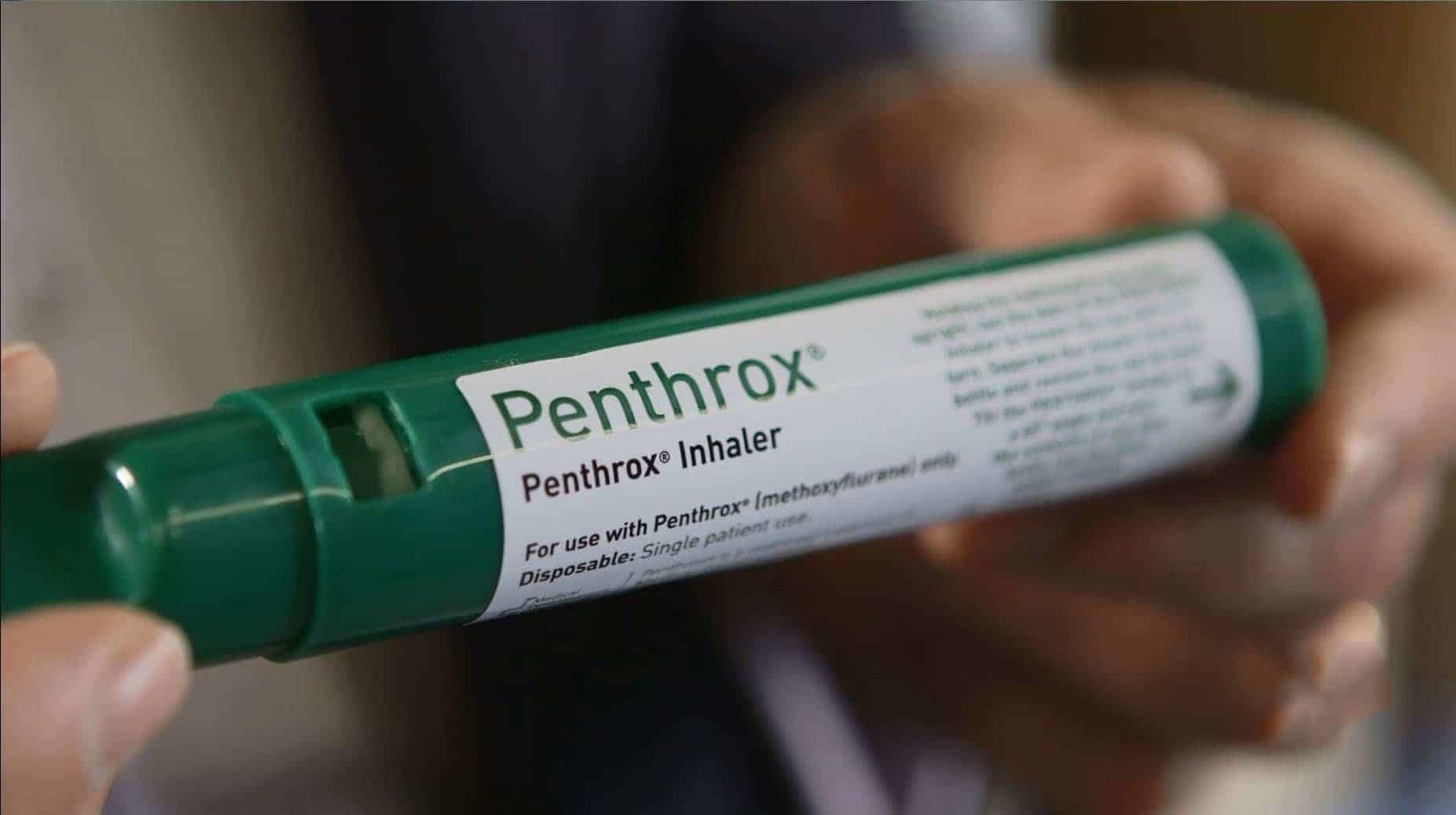
- Rapid evaluation and tracking. Learners practice pain racking up, observing for respiratory system clinical depression, and recording reaction to analgesia at established intervals. Analgesic choice under procedures. Relying on the jurisdiction, options might include inhaled methoxyflurane, oral or intranasal representatives, and parenteral medicines when permitted by certification. Safety and permission. Instruction on contraindications, unfavorable event recognition, and when to delay or escalate. Communication and handover. Quick, organized recaps when transferring care.
If a program markets puaeme008 provide pain management placement, check that it includes scenario-based evaluation, device knowledge, and paperwork workouts that match your solution's kinds. The competency sensation you want at the end is this: you can walk into a disorderly scene, recognize the top priority discomfort issues, provide analgesia within your extent, and maintain the client risk-free while preparing them for the following phase of care.
Formats and time commitments
Delivery layout forms what you actually discover. I have seen excellent combined models and lightweight all-online ones, and the reverse. Suit the format to the ability you need.
Fully online. Good for pharmacology, pain scientific research, communication structures, and situation analysis. Training courses may run self-paced over 4 to 12 weeks with 2 to 4 hours per week. Interaction issues here. Search for tutor-moderated online forums and live webinars instead of fixed slide decks.
Blended. A strong choice for many clinicians, pairing online theory with in-person skills days. A typical pattern is 20 to 40 hours online followed by 1 to 2 days of workshops where you exercise analysis, tracking, and procedural skills on manikins or standardized patients.
Intensive in-person. Suitable for emergency situation discomfort administration, especially when simulation laboratories, medicine pumps, and monitoring tools are included. You can expect 2 to 3 consecutive days, 16 to 24 get in touch with hours, with situation debriefs. These styles frequently provide the highest confidence gains.
Stackable microcredentials. Some colleges and universities plan discomfort administration training into devices that can later on count towards graduate certificates or master's credit ratings. The rate is slower, but the scholastic credit history and evaluation rigor are attractive if you prepare additional study.
Costs and what they buy you
Tuition varies by location, credentialing level, and whether there is supervised method. Generally of thumb:
- Short training courses in pain administration: generally USD 150 to 600 for 8 to 20 hours, often completely online. Certificate course hurting administration or discomfort administration accreditation program: USD 700 to 2,500 for 40 to 120 hours, with mixed distribution and assessments. University-affiliated postgraduate pain systems: USD 1,000 to 3,500 per unit, occasionally much more if they bring full graduate credit report and accessibility to university resources.
Add indirect costs. For in-person sessions, factor in traveling, holiday accommodation, and time away from scientific work. If you need supervised practice workshops on pain management certification or proctored examinations, there may be website fees. Some programs call for present BLS or ALS accreditation. In Australia, if you intend to utilize methoxyflurane or intranasal fentanyl under protocols attached to puaeme008, expect a tools knowledge element that may lug a small consumables cost.
What higher costs commonly acquire: smaller sized friends, accessibility to mentors with expert pain backgrounds, far better simulation, and structured comments on situation submissions. In my experience, the worth of a training course is very associated with the high quality of the assessment and responses process. If there are no observed assessments, you will likely return to old habits within weeks.
Admissions, prerequisites, and scope limitations
Pain administration training courses for registered nurses and discomfort management training for registered nurses typically require current registration and at least 6 to one year of medical experience. Some consist of a pharmacology requirement or a medicine administration endorsement. For physiotherapists, pain administration programs for physio therapists normally expect a bachelor's level in physical rehabilitation or comparable registration, with optional requirements in persistent pain or behavior medicine.
Paramedics, initially responders, and remote medics usually get in via occupation paths that link straight to PUAEme008 Provide discomfort administration or comparable units. In these programs, the scope is firmly protocol-bound. You will certainly be trained to deliver specific agents in defined circumstances and to hand over promptly when higher-level treatment is available.
Be clear about your extent of method. A certificate does not grant prescribing authority where none exists. It also does not allow step-by-step blocks or sedation beyond your licensing structure. Training courses ought to mention explicitly what abilities are within the anticipated extent for various professions.
Assessment techniques that really construct competence
Skip programs that rely only on multiple-choice exams. Great pain monitoring training utilizes mixed-method analysis:
Case-based jobs. Students submit de-identified instances showing evaluation, differential medical diagnosis, treatment plans, and follow-up. Markers offer particular responses, not simply grades.
Observed structured clinical assessments. An assessor watches you take a discomfort history, advise an individual about expectations, or titrate analgesia on a manikin with essential sign feedback. This is work, however it cements habits.
Medication computation and safety checks. Errors in dosing and monitoring create preventable harm. Expect rate drills on weight-based application, kidney modifications, and turnaround representative indications.
Reflective method. Short reflections are not scholastic fluff when utilized appropriately. They disclose blind spots, particularly in handling patients with high distress or complex psychosocial factors.
Simulation and debrief. Emergency situation pain scenarios with deliberate anxiety shot show tranquil sequencing. Debrief is where learning consolidates. Ask whether the faculty are trained in debriefing, not simply passionate concerning it.
Career influence: wage, duties, and daily work
The occupation influence of a discomfort management certification depends on your standard duty and your work environment's framework. A few patterns correspond across settings.
Nurses. Completing a pain administration certificate can position you for medical source nurse or teacher functions, and for involvement in high quality initiatives like opioid stewardship and ERAS programs. Raises differ by area, but I have actually seen differentials of 3 to 8 percent when the program is recognized in a clinical ladder. More importantly, registered nurses with this training commonly lead analgesia path reforms, adjustment PCA protocols, and mentor peers. That presence often tends to result in advancement.
Physiotherapists. For musculoskeletal and relentless discomfort caseloads, accreditation reinforces reference confidence and warrants longer analysis ports. With measurable outcomes, facilities typically change intricate discomfort clients toward experienced physios, which can support higher billing tiers in some systems. The bigger effect remains in improved discharge prices and reduced flare-ups, which gets discovered in multidisciplinary teams.
Paramedics and first responders. When aligned to PUAEme008 Give discomfort administration and regional permissions, licensed -responders can provide analgesia that formerly needed higher-level staff. That autonomy rates relief and enhances patient complete satisfaction ratings. Some services connect pay indicate extra expertises, though the increments are frequently moderate. The bigger gain is employability throughout services that anticipate puaeme008 offer discomfort management capability.
Pharmacists and medical professionals. For prescribers, a certification gives framework to deprescribing and multimodal planning. I have actually seen outpatient discomfort centers focus on candidates who provide a discomfort management accreditation over those without official training. The wage impact is much less direct, however panel size and instance intricacy often boost, which can straighten with productivity-based compensation.
A peaceful but actual benefit is risk decrease. Clear documents of evaluation, rationale, and checking reduces medicolegal direct exposure. Leaders observe clinicians that incorporate compassion with procedure adherence.
Examples from practice
On a surgical ward, a charge nurse with a pain monitoring certification revised the PCA handover checklist after two near misses with respiratory depression blog post op. She included a straightforward action, an explicit sedation rating before each dosage change. Over the following quarter, naloxone use dropped from four situations to one, and person fulfillment around pain control improved by 12 points on the healthcare facility's internal metric.
In a neighborhood physio center, one specialist completed a discomfort monitoring qualification focused on persistent discomfort. He integrated a constant PEG scale, a three-item device connecting discomfort strength, pleasure of life, and general task. Within 6 months, his persistent reduced neck and back pain accomplice revealed a median 30 percent enhancement in PEG scores. Referrals from neighborhood GPs doubled, not due to advertising and marketing, but since discharge letters consisted of measured end results and clear plans.
A remote location medic educated to PUAEme008 Provide pain monitoring cut 20 minutes off time to first analgesia during mining site injuries by lugging pre-drawn intranasal alternatives within protocol. The firm retained him and funded additional simulation training due to the fact that near-miss records declined and hurt employees reported more confidence in onsite care.
How to examine a program prior to you enroll
You can not inform a training course's quality from a touchdown page alone. Use these checks to stay clear of customer's remorse.

- Faculty openness. Do they detail trainers with qualifications in anesthesiology, pain medication, emergency situation treatment, physical rehabilitation, or nursing education and learning? Complement faculty with current scientific blog posts matter more than celebrity keynotes. Assessment information. Seek OSCEs, case submissions, and comments timelines. If the only analysis is a multiple-choice test, move on. Scope alignment. Verify that abilities taught match your legal extent and your office methods. A brilliant ultrasound block module is pointless if you can not exercise it. Practice combination. Request for example projects or a syllabus. Are there components on documentation, handovers, and determining results? These are the bars that transform systems. Employer recognition. Examine whether your medical facility, solution, or regulatory authority notes the program for proceeding education credit history. If the program asserts alignment to puaeme008 give discomfort monitoring, confirm the specific components and whether your jurisdiction acknowledges it.
Building your very own discovering plan around the certificate
A training course is a driver, not the whole trip. Plan for prework and aftercare.
Before training, audit your existing method. Pull five current cases. Identify where you thought twice, where unfavorable results happened, and just how end results were gauged. This baseline will certainly aid you establish targets throughout the course.
During training, pick two habits to overlearn. For lots of clinicians, these are consistent review intervals and tighter documents of rationale. Treat these like step-by-step skills and get responses up until they are automatic.
After training, work out one adjustment in your office. It can be tiny, like adopting a typical sedation range across shifts, or larger, like piloting a nonpharmacologic package for persistent discomfort in primary care. Your certification is a lot more persuasive when coupled with a carried out improvement.
Mentor somebody. Training settles your very own skill. A younger colleague that discovers to titrate analgesia safely or to establish reasonable expectations with chronic discomfort patients ends up being a multiplier for individual safety and security and satisfaction.
Special considerations by profession
Nurses. Prioritize programs that emphasize surveillance, reassessment schedules, and opioid stewardship, with components on ecstasy and senior citizen level of sensitivity. Discomfort monitoring training for registered nurses that includes simulation with risky opioids and PCA troubleshooting settles immediately on inpatient units.
Physiotherapists. Pick discomfort monitoring training courses for physio therapists that balance neuroscience with used behavioral techniques and exercise prescription. Prevent programs that lean also difficult right into philosophy without offering you concrete devices for session planning and progression.
Paramedics and very first -responders. If your solution makes use of methoxyflurane, intranasal fentanyl, or low-dose ketamine, guarantee the training course offers tool knowledge and protocol drills. Programs straightened to PUAEme008 Offer discomfort monitoring should include situation time and specific documentation training.
Pharmacists. Try to find courses with a hefty dose of deprescribing, opioid turning, neuropathic representatives, and taper preparation, plus interprofessional interaction. Lots of groups need a pharmacist champ suffering rounds.
Physicians and progressed method suppliers. Choose programs with situation conferences, lawful and regulatory updates, and skills in tough discussions around tapering and useful objectives. If step-by-step pain is your passion, guarantee supervised method is available and legally recognized.
Common challenges and just how to stay clear of them
Overfocusing on opioids. Medical professionals in some cases error pain administration accreditation for opioid training. A balanced educational program invests as much time on nonopioid pharmacology, nonpharmacologic methods, and assumption setting as it does on morphine equivalents.
Neglecting documents. Poor reasoning and monitoring notes threaten excellent care. Make it an individual standard to document pain ratings, useful goals, chosen technique with reason, and the review plan.
Skipping de-escalation. Discomfort intensity and analgesic dosage do not rise for life. Construct in specific taper points, also in intense settings, and communicate them to people and teams.
Forgetting special populaces. Pediatric medicines, older adults, and renal or hepatic problems need adjusted plans. Seek modules that cover these variations with application calculators and lists you can utilize on shift.
Assuming qualification equals authority. Your extent still controls. If you can not recommend or carry out a certain agent, your power depends on evaluation, recommendation, and coordination.
Final thoughts for the decision
If you function anywhere that discomfort intersects with your everyday technique, a discomfort monitoring certification can hone your judgment and enhance results, supplied you select wisely. The very best programs stitch together science and technique, need you to show your work through situations and simulations, and respect the limits of each occupation's extent. Prices are actual, however so are the gains in client security, medical professional confidence, and team trust. When you can stroll into an area, promptly assess, pick a rational multimodal strategy, established expectations, and measure response, you alter the trajectory of that individual's day. Multiply that by the number of experiences you will certainly have this year, and the return on major discomfort monitoring training is obvious.